Weekly Sargassum Report — March 30, 2026
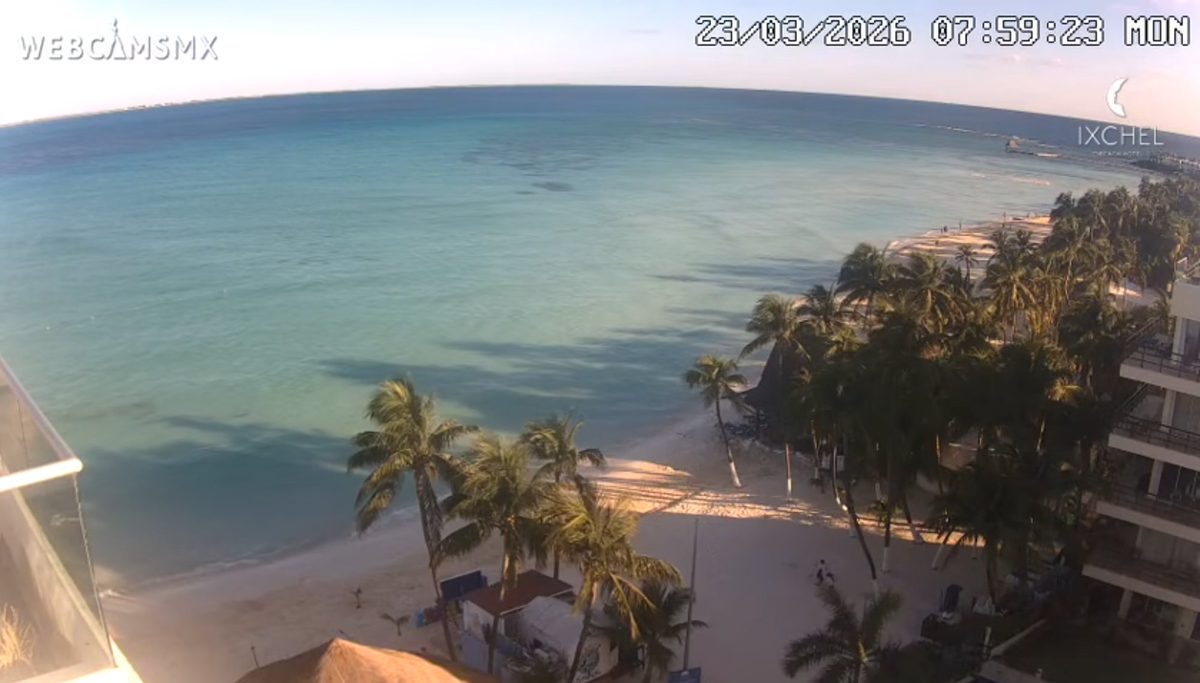
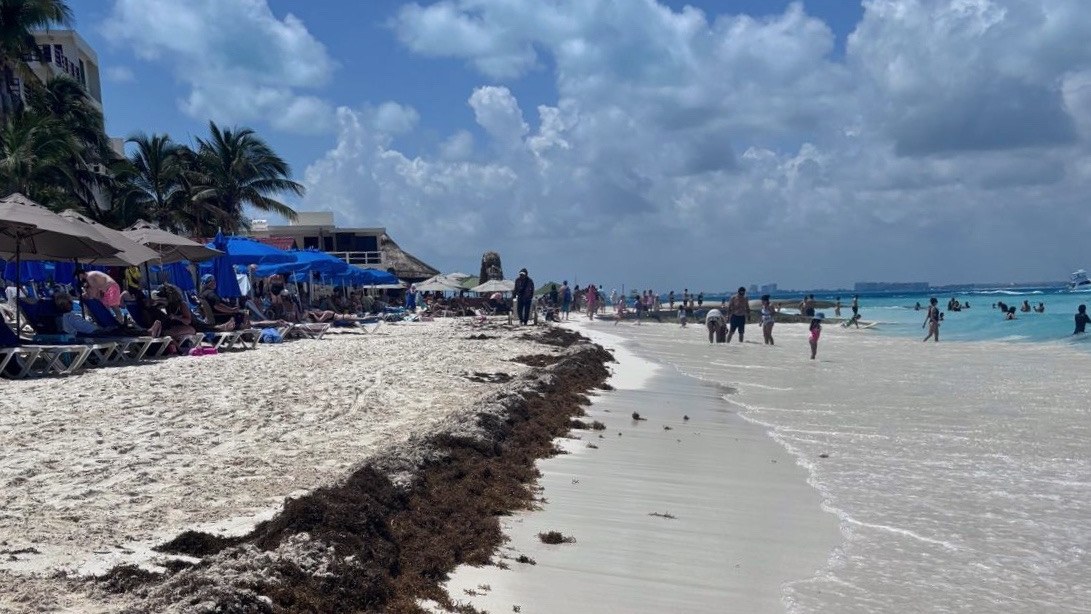
Puerto Morelos is showing moderate sargassum along the shoreline this morning — but Cancún, Cozumel, Akumal, and Isla Mujeres are all clear. The split between north and south widens as we head into April. Here's the full beach-by-beach breakdown.
🟠 Mixed Conditions This Week
The northern coast remains clear while the southern Riviera Maya continues to see arrivals. Puerto Morelos is the most affected major beach right now — moderate sargassum confirmed by webcam this morning. Cancún, Cozumel, Akumal, and Isla Mujeres are all in good shape. Check the live map before heading out.
Beach-by-Beach — Week of March 30
March 30, 2026 — Conditions at a Glance
Conditions change hourly. Check the live map before heading to the beach.
Puerto Morelos — The One to Watch This Week
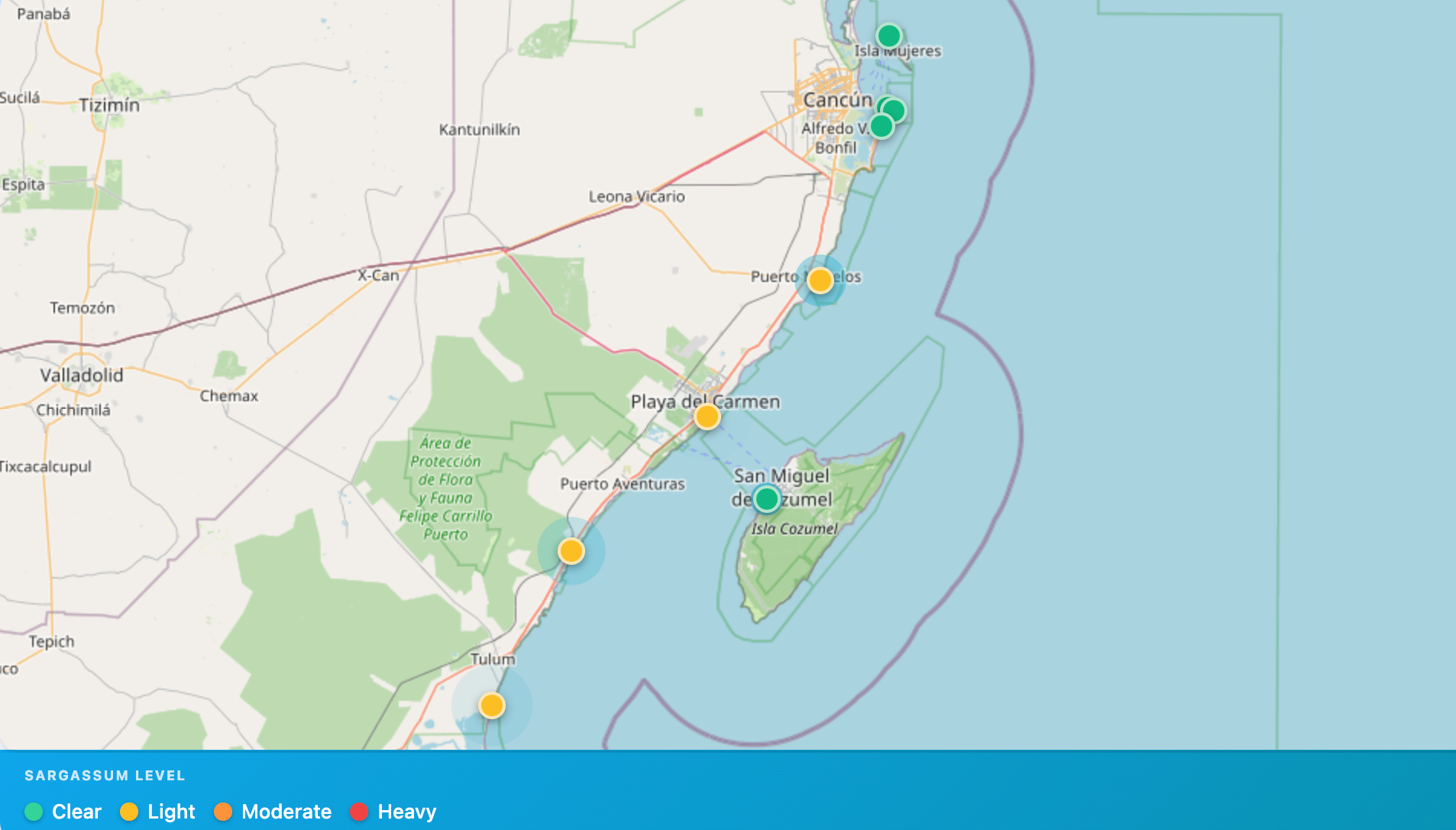
The Casa Toucan webcam this morning tells a clear story: moderate sargassum along the Puerto Morelos fishing beach, with patches running along the shoreline between the boats. This is the most affected major beach in the region right now. The town's barrier reef normally offers some protection but it's not enough to fully block the current arrivals.
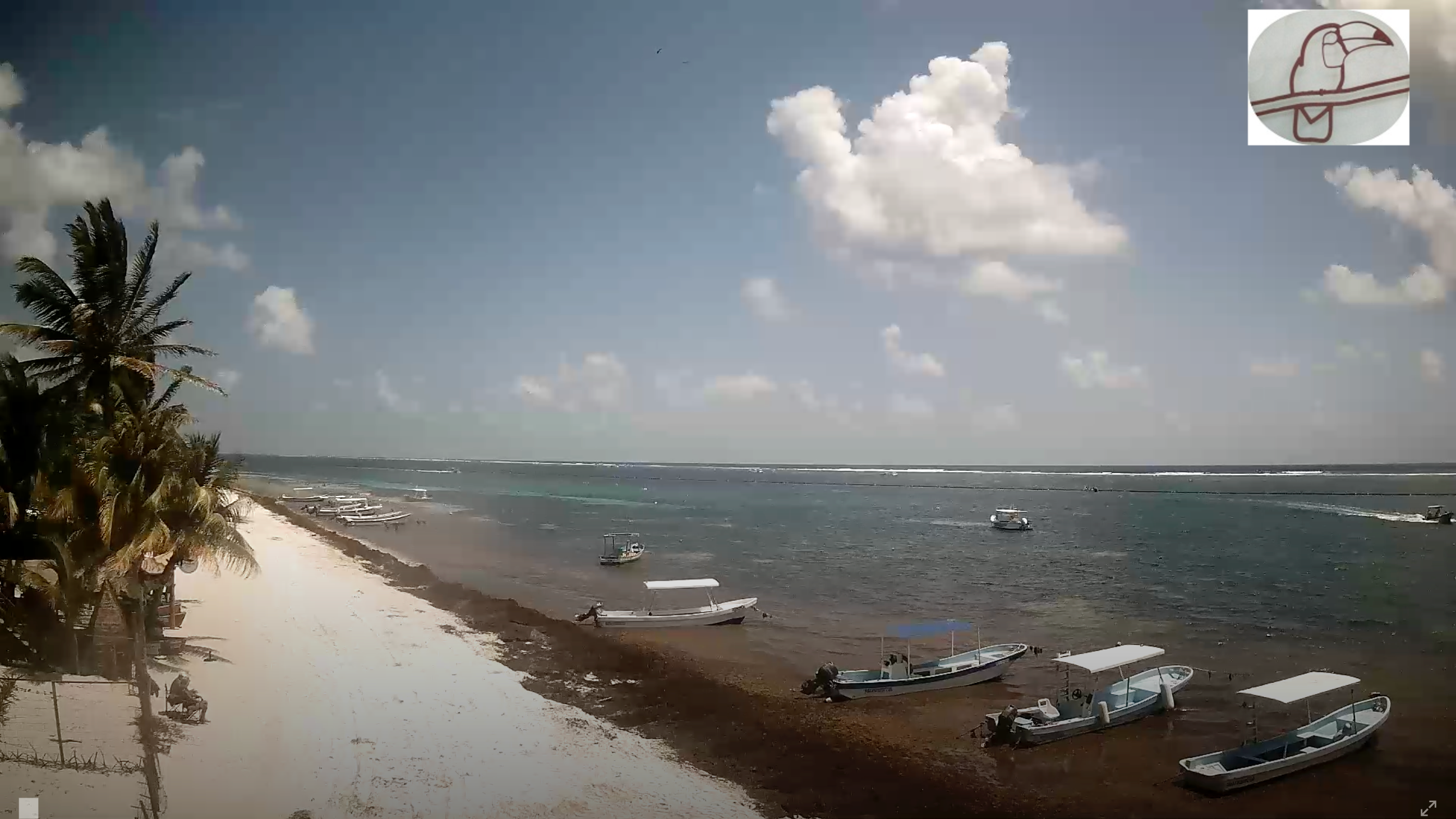
If you're based in Puerto Morelos this week, the cenotes and Cancún are both easy alternatives. Alternatively, the reef itself — accessed by boat from the pier — stays clear regardless of what's on the beach. Check live conditions at Puerto Morelos →
North Is Clear — Head There If You Can
Cancún's Hotel Zone, Isla Mujeres, and Cozumel are all looking good this week. The northward current pattern that's been keeping sargassum away from the Hotel Zone is holding — cleanup crews are active and the beach is in good shape on both the north and south ends of the zone.
Akumal remains consistently protected by its bay geometry and is a great call this week if you want guaranteed clear water and the turtle snorkeling is always worthwhile. Check Akumal live conditions →
What the Satellite Data Shows
NOAA's Sargassum Inundation Risk (SIR) fields — a collaboration between NOAA/AOML, NOAA CoastWatch/OceanWatch, and the University of South Florida — provide an overview of coastal inundation risk using satellite data. The algorithm analyzes AFAI (Alternative Floating Algae Index) values within a 50 km neighborhood of each coastal pixel, comparing them against a multiday baseline to classify risk as low (blue/green), medium (orange), or high (red).
This week's satellite data shows a clear north-south divide: Cancún, Cozumel, and Isla Mujeres are in the green zone while Puerto Morelos, Playa del Carmen, and Tulum show orange. The primary sargassum mass offshore the Riviera Maya is tracking slowly northward — expect conditions at Puerto Morelos and Playa del Carmen to remain mixed through early April before potentially improving.
📡 About the Satellite Data
Since 2011, sargassum has been a recurrent problem in the Caribbean Sea and tropical Atlantic. The SIR fields used here are produced by NOAA/AOML in collaboration with NOAA CoastWatch/OceanWatch and the University of South Florida. These are pre-operational reference fields — conditions on the ground can differ from satellite readings due to wind shifts, cleanup operations, and local currents. Always verify with live webcams before heading to the beach.
What to Expect This Week
The north-south split is the defining story of the 2026 season so far. If your hotel is in Cancún, Cozumel, or Isla Mujeres you're in great shape — plan your beach days freely and keep an eye on the map for any mid-week changes. If you're staying in Tulum or Puerto Morelos, build some flexibility into your plans: a cenote day, a trip up to Cancún, or a boat excursion to the reef are all solid backup options.
We are now one week from April — historically the month when sargassum arrivals begin accelerating toward the May–August peak. The current pattern suggests the south will continue to see arrivals while the north stays relatively protected. Enjoy the clear northern beaches while conditions hold.
If Conditions Change This Week
If sargassum picks up mid-week, cenotes and inland day trips are always guaranteed clear — and these book up fast as peak season approaches.
Chichén Itzá + Cenote Day Trip
Full-day tour to the iconic Mayan ruins with a swim in Ik Kil cenote and lunch in Valladolid.
Book on ViatorBooking via our affiliate link supports this site at no extra cost to you.
Or book a spot at Rio Secreto — the underground river system is completely unaffected by ocean conditions and one of the most impressive natural sites in the Yucatán.
Rio Secreto Underground River
Swim through a stunning underground river and crystal cave system near Playa del Carmen.
Book on ViatorBooking via our affiliate link supports this site at no extra cost to you.
Xel-Há is another excellent full-day backup — a natural aquatic park between Tulum and Playa del Carmen with snorkeling, zip lines, cliff jumping, and unlimited food and drinks.
Xel-Há All-Inclusive Park Day
Natural aquatic park between Tulum and Playa del Carmen — snorkel, zip line, cliff jump, unlimited food and drinks.
Book on ViatorBooking via our affiliate link supports this site at no extra cost to you.
UV Index Is Extremely High This Week
With the spring equinox just behind us and the sun nearly directly overhead, the UV index across the Riviera Maya is running at 9–10 this week — in the "Very High" category — climbing to 11 by Sunday. At that level, unprotected skin can burn in under 15 minutes, even on a cloudy day. This is not typical UV exposure — it's significantly more intense than most visitors from the US, Canada, or Europe are used to at home.
☀️ UV Index This Week: Very High (9–10, reaching 11 Sunday)
Unprotected skin can burn in under 15 minutes. Reapply sunscreen every 90 minutes, wear a rash guard for long beach days, and seek shade between 11 AM and 3 PM when UV peaks.
Mineral sunscreen is required near Mexico's protected coastal zones — standard chemical sunscreens are prohibited near coral reefs and cenotes. And even on beaches where chemical sunscreen is technically allowed, reef-safe mineral formulas are the better call for your skin and the ecosystem.
Protect Yourself on the Beach This Week
With UV at extreme levels, a rash guard is the single most effective thing you can pack — it blocks UV all day without needing to be reapplied, and keeps you comfortable in and out of the water.
Reef Safe Mineral Sunscreen
Reef/cenote safe, mineral-based SPF 50. Required at many cenotes and recommended throughout the Riviera Maya.
View on AmazonAs an Amazon Associate we earn from qualifying purchases.
UPF 50 Rash Guard
Long-sleeve rash guard with UPF 50 sun protection — essential for full days on the water.
View on AmazonAs an Amazon Associate we earn from qualifying purchases.
Dry Bag 10L
Keep your phone, wallet, and camera bone dry on boat tours, snorkeling trips, and beach days.
View on AmazonAs an Amazon Associate we earn from qualifying purchases.
📡 Check Live Conditions Before You Head Out
Our map updates hourly using satellite data — the same source the experts use.
View Live Conditions Map