Is Sargassum Season 2026 Worse Than Last Year? What the Data Says (2026 Update)
Last updated: April 2026 · Based on USF Sargassum Watch System satellite data
Every spring the same question floods travel forums: "Is the sargassum going to be bad this year?" If you're planning a trip to the Mexican Caribbean in 2026, the answer matters — a lot. We dove into USF satellite imagery, historical landing data, and on-the-ground reports from all 9 beaches we monitor to give you a clear, data-backed comparison between 2025 and 2026.
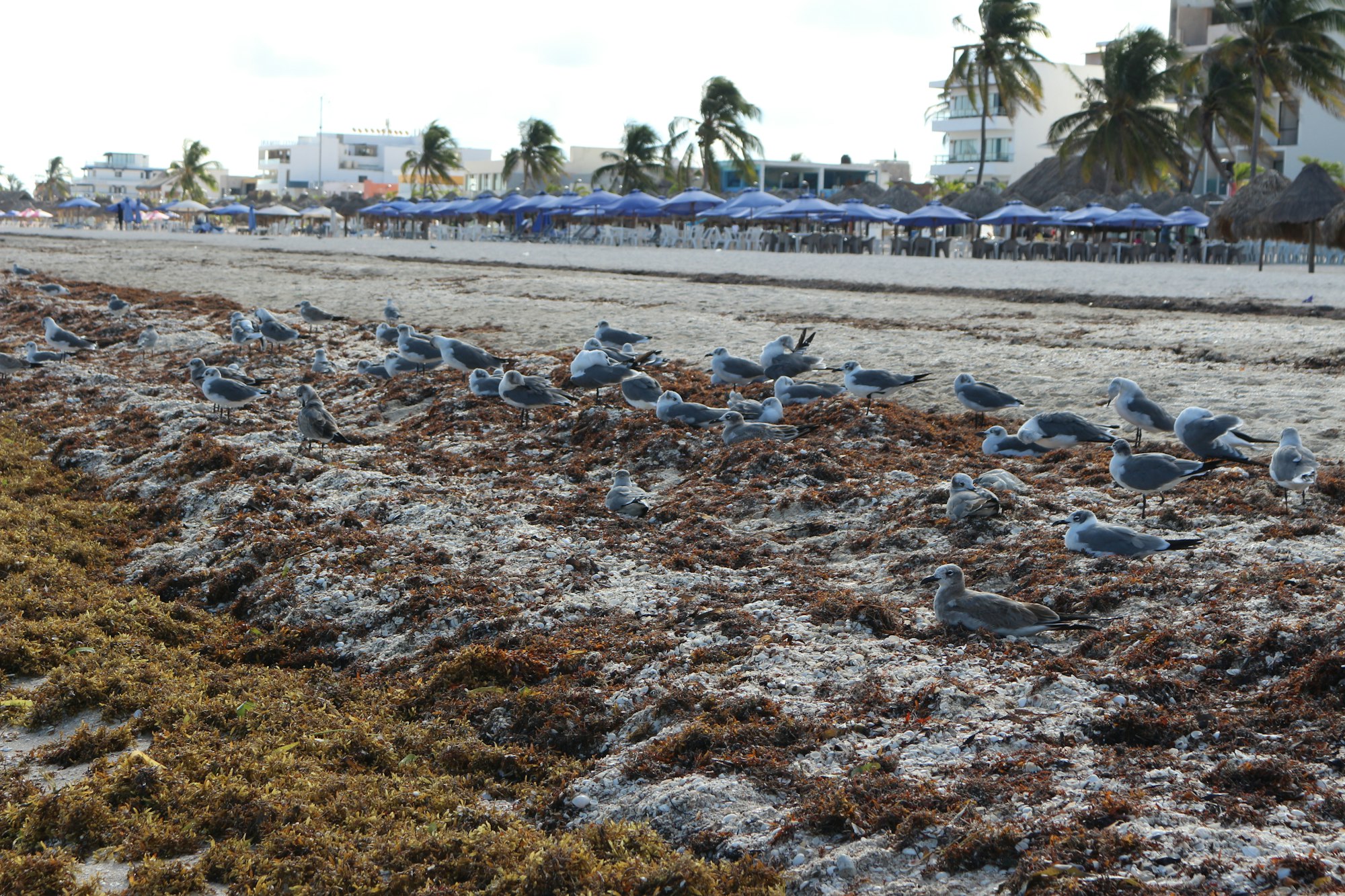
Check Today's Conditions
Live sargassum status for all 9 beaches — updated hourly.
What the Satellite Data Shows So Far in 2026
The USF Sargassum Watch System (SAWS) uses MODIS and VIIRS satellite sensors to track floating sargassum mats across the tropical Atlantic. Their data forms the backbone of every reliable sargassum forecast — including ours. As of early April 2026, the Great Atlantic Sargassum Belt is showing significantly more biomass in the central Atlantic compared to the same period in 2025.
Specifically, satellite-derived abundance indices for March 2026 came in roughly 15–20% above March 2025 levels. That tracks with a broader pattern: warmer-than-average sea surface temperatures in the equatorial Atlantic and elevated nutrient outflow from the Amazon River basin during the early rainy season. Both factors fuel sargassum growth before currents carry it northwest toward the Caribbean.
However, higher mid-ocean volume doesn't automatically translate to worse beach conditions. Ocean currents, wind patterns, and even local reef structures can redirect or break up sargassum rafts before they make landfall. That's why tracking conditions at the beach level — not just in the open Atlantic — is so critical.
Early Warning
Mid-ocean sargassum volumes for early 2026 are tracking 15–20% higher than the same period in 2025. This doesn't guarantee heavier beach landings, but it does raise the probability of an above-average season. We recommend monitoring conditions closely before booking.
For context, 2025 was a moderate sargassum year — better than the record-breaking 2018 and 2022 seasons but worse than the relatively calm 2020. If the current trajectory holds, 2026 is shaping up to be a heavier year than 2025, though probably not approaching the extreme peaks we saw four years ago.
Beach-by-Beach Comparison: 2025 vs 2026 (January–March)
Raw satellite numbers only tell part of the story. What really matters to travelers is what's happening on the sand. Below is a comparison of average sargassum conditions across the 9 beaches we track, based on our daily monitoring data from January through March in both years.
| Beach | Jan–Mar 2025 | Jan–Mar 2026 | Trend |
|---|---|---|---|
| South Cancún | Moderate | Moderate-High | ↑ Slightly worse |
| North Cancún | Low | Low | → Similar |
| Playa Gaviota Azul | Low | Low-Moderate | ↑ Slightly worse |
| Isla Mujeres | Very Low | Very Low | → Similar |
| Puerto Morelos | Moderate | Moderate-High | ↑ Slightly worse |
| Playa del Carmen | Moderate | High | ↑ Noticeably worse |
| Cozumel | Very Low | Low | ↑ Slightly worse |
| Akumal | Moderate | High | ↑ Noticeably worse |
| Tulum | High | High | → Similar (already high) |
The pattern is clear: most east-facing beaches are seeing earlier and heavier sargassum arrivals in 2026. The south-facing and island-protected beaches — particularly Isla Mujeres and Cozumel — continue to fare much better thanks to their geography and prevailing current deflection.
Playa del Carmen and Akumal are the biggest movers in the wrong direction. Both beaches sit along stretches of coast that face directly into the Caribbean current conveyor belt, making them first in line when sargassum rafts approach from the southeast. Tulum, which was already heavy in 2025, remains elevated but hasn't dramatically worsened — it was already near its ceiling.
High-Impact Beaches in 2026
Playa del Carmen, Akumal, and Tulum are showing the highest early-season sargassum levels. If you're booking a beach-focused vacation between May and August, consider island or north-facing alternatives, or plan sargassum-free excursions as backup activities.
Why 2026 May Be Worse — The Science Behind the Surge
Understanding why sargassum volumes fluctuate helps you make smarter travel decisions. Three key factors are driving the 2026 outlook:
1. Amazon River nutrient loading. The Amazon basin experienced above-average rainfall during late 2025 and early 2026, flushing elevated levels of nitrogen and phosphorus into the tropical Atlantic. These nutrients act as fertilizer for sargassum. Satellite ocean-color data shows higher-than-normal chlorophyll concentrations in the equatorial Atlantic — a reliable precursor to heavier sargassum blooms.
2. Sea surface temperatures. The tropical Atlantic has been running 0.3–0.5°C warmer than the 30-year average through Q1 2026. Warmer water accelerates sargassum reproduction and growth rates. This temperature anomaly aligns with a weak La Niña pattern that has persisted since late 2025.
3. Current and wind patterns. Prevailing easterly trade winds in early 2026 have been slightly stronger than average, which tends to push more floating sargassum westward toward the Caribbean at a faster pace. The North Equatorial Current has also been running at higher-than-normal velocity through the central Atlantic corridor.
None of these factors alone guarantees a bad season, but when all three align — as they appear to in 2026 — the probability of above-average sargassum landings increases substantially. The USF team's own seasonal outlook, published in March, rates the 2026 Caribbean sargassum risk as "elevated," consistent with our beach-level observations.
Best Beaches and Activities When Sargassum Is Heavy
Even in an above-average sargassum year, the Mexican Caribbean offers incredible experiences. The key is knowing where to go and having a backup plan. Here are our top recommendations for 2026:
Safest Bets for Clear Beaches in 2026
Isla Mujeres (Playa Norte) and Cozumel remain the most consistently sargassum-free beaches in the region. North Cancún is also a strong pick, with its north-facing orientation providing natural protection from incoming rafts.
Island escapes: Isla Mujeres is just a 15-minute ferry from Cancún and consistently posts the lowest sargassum levels of any beach we track. Cozumel's western coast, where nearly all resorts and beaches are located, faces away from the prevailing sargassum current and stays remarkably clean even in peak season.
Cenote and inland adventures: Mexico's Yucatán Peninsula has over 6,000 cenotes — freshwater sinkholes that are completely immune to sargassum. A cenote day is one of the best backup plans when the coast is impacted. Similarly, archaeological sites like Chichén Itzá and the Tulum ruins offer world-class experiences that don't depend on beach conditions.
Cancún Cenote Tour
Swim in the sacred underground cenotes of the Yucatán Peninsula — crystal clear freshwater, no seaweed.
Book on ViatorBooking via our affiliate link supports this site at no extra cost to you.
Reef snorkeling from boats: Even when beaches have sargassum, the offshore reefs are typically unaffected. Boat-based snorkeling and diving trips from Playa Gaviota Azul to the Underwater Museum (MUSA) or from Cozumel to Palancar Reef put you in crystal-clear water regardless of what's on shore.
Isla Mujeres Catamaran
Cruise across turquoise waters and jump off board to swim and snorkel among the reefs.
Book on ViatorBooking via our affiliate link supports this site at no extra cost to you.
All-inclusive park days: Xel-Há and Xcaret maintain private coves and inlets that are cleaned constantly. They're ideal sargassum-proof day trips when the open beaches are under siege.
Xel-Há All-Inclusive Park Day
Natural aquatic park between Tulum and Playa del Carmen — snorkel, zip line, cliff jump, unlimited food and drinks.
Book on ViatorBooking via our affiliate link supports this site at no extra cost to you.
Where to Stay in 2026 to Avoid Sargassum
Hotel selection can make or break a sargassum-season vacation. Properties in North Cancún and on the islands consistently report the best beach conditions during peak sargassum months. Many high-end resorts also employ dedicated cleanup crews that keep their beach sections usable even on moderate-impact days.
Here are some of our top picks for sargassum-resilient stays across the region — all in locations that historically see lower seaweed impact:
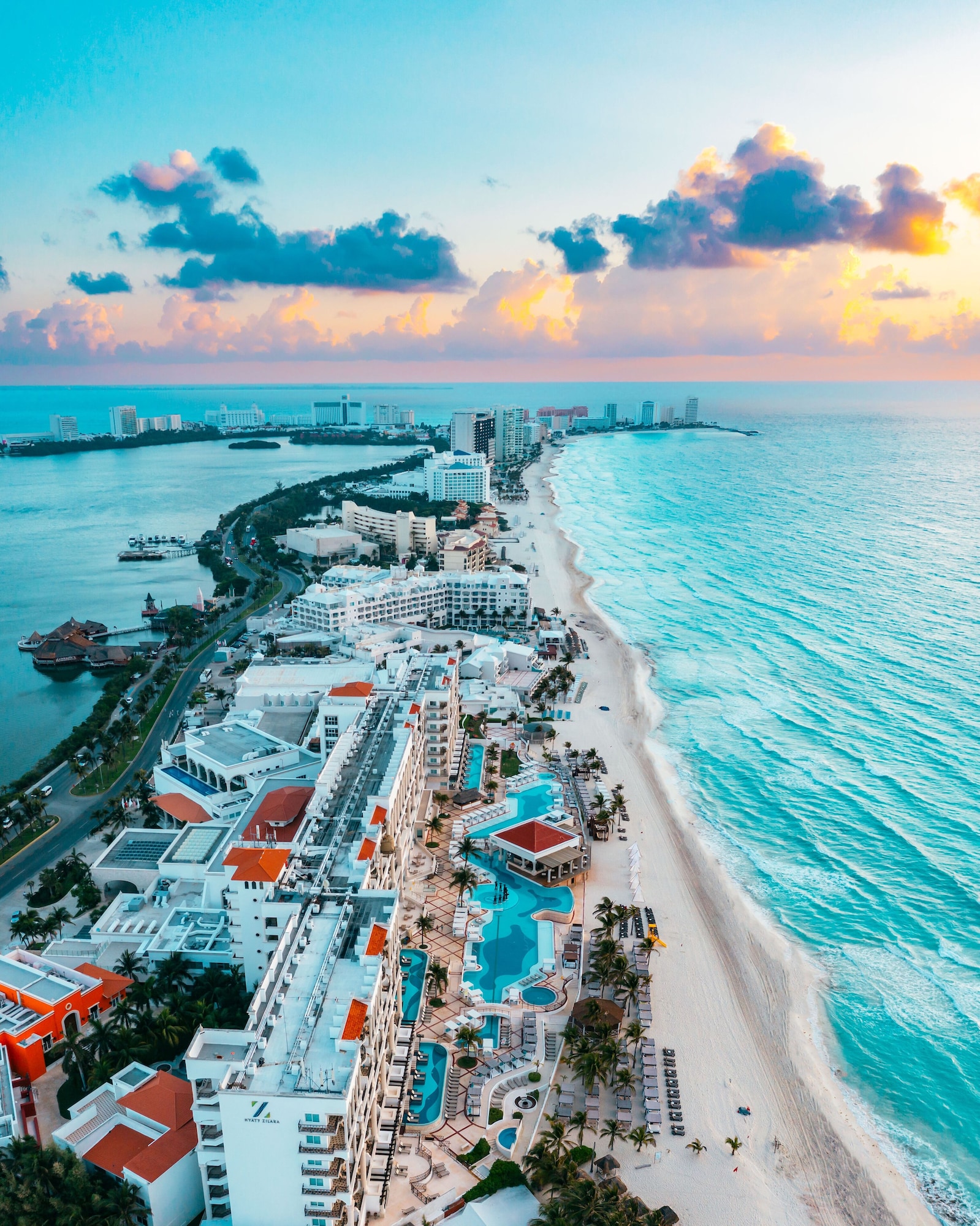
Hyatt Zilara Cancún
Adults-only all-inclusive (9.4 on Expedia) — full spa with hydrotherapy, multiple pools, swim-up bar, live entertainment, cooking classes, and gourmet dining at multiple restaurants.

Grand Fiesta Americana Coral Beach
Multiple pools, full-service spa with hydrotherapy, gourmet dining at multiple restaurants, kids club with supervised activities, beach cabanas, and cooking classes.
For an island escape, Isla Mujeres and Cozumel both offer exceptional value during sargassum season — you'll often find better rates than Cancún because fewer travelers think to look beyond the mainland.

Privilege Aluxes Isla Mujeres Adults Only
Beachfront adults-only resort with swim-up bar, beach bar, Mystique spa (Swedish massage, detox wraps), rooftop with 360-degree island views, live music, and private beach cabanas — confirmed on Expedia.

Ixchel Beach Hotel
Right on Playa Norte (top-rated beach), rooftop pool, ocean view restaurant, beach bar, water sports rental, spa treatments, and snorkeling from the beach — boutique island experience.
If you've already booked at a beach that's showing elevated sargassum levels — like Puerto Morelos or South Cancún — don't panic. Most resorts in these areas have ramped up their cleaning operations in recent years, and a day trip to Isla Mujeres or a cenote excursion is always a quick pivot.
Sargassum 2026 Forecast: What to Expect for the Rest of the Year
Based on current satellite data, historical patterns, and oceanographic conditions, here's our month-by-month outlook for sargassum in the Mexican Caribbean for the remainder of 2026:
| Month | Expected Level | Notes |
|---|---|---|
| April 2026 | Moderate | Early arrivals building along south-facing coasts. Islands still clear. |
| May 2026 | Moderate-High | Season ramps up. Expect noticeable accumulation at Tulum, Playa del Carmen, Akumal. |
| June 2026 | High | Likely peak month. Heaviest landings on east-facing beaches. Book island alternatives. |
| July 2026 | High | Sustained heavy conditions. Cleanup crews active at major resorts. |
| August 2026 | Moderate-High | Gradual decrease begins but still above average. |
| September 2026 | Moderate | Hurricane season disrupts sargassum patterns. Conditions variable. |
| Oct–Dec 2026 | Low | Season winds down. Beaches typically clear by November. |
The takeaway: if you have flexibility, January through April and November through December remain the safest windows for sargassum-free beach vacations. If you're traveling during peak season (May–August), prioritize island destinations and build sargassum-free activities into your itinerary.
Pro Tip
Bookmark our live conditions page and check it 24–48 hours before heading to the beach. Sargassum conditions can change dramatically within a single day due to wind shifts and current changes.
Frequently Asked Questions About Sargassum in 2026
Is sargassum worse in 2026 than 2025?
According to USF satellite data, early 2026 sargassum volumes in the central Atlantic are tracking approximately 15–20% higher than at the same point in 2025. Most east-facing beaches in the Mexican Caribbean are already reporting heavier early-season arrivals. However, island and north-facing beaches remain largely unaffected.
When is sargassum season 2026 expected to peak?
Based on historical trends and current satellite observations, sargassum season 2026 is expected to peak between late May and August, with the heaviest landings typically occurring in June and July along the Mexican Caribbean coast. Conditions usually improve significantly by October.
Which beaches in Mexico have the least sargassum in 2026?
Isla Mujeres (Playa Norte), Cozumel, and North Cancún consistently report the lowest sargassum levels due to their geographic positioning and protective reefs. These remain the safest bets for clear water during peak season.
How reliable are sargassum forecasts?
The USF Sargassum Watch System uses MODIS and VIIRS satellite imagery to track floating mats in the Atlantic. While mid-ocean volume estimates are quite accurate, predicting exactly when and where sargassum will land on a specific beach involves ocean current variability and can shift within days. That's why we recommend checking live conditions close to your travel date.
Can I still enjoy my vacation if sargassum is heavy?
Absolutely. Many resorts employ daily cleaning crews, and destinations like Isla Mujeres and Cozumel are naturally shielded. Cenote tours, the MUSA underwater museum, jungle excursions, and archaeological site visits offer incredible sargassum-free alternatives even during the worst weeks of the season.
Check Live Conditions Now
Updated hourly using satellite data and webcam feeds. See real-time sargassum status for all 9 beaches before you go.
View Live Conditions Map


